
Why Sustainable Fashion Matters
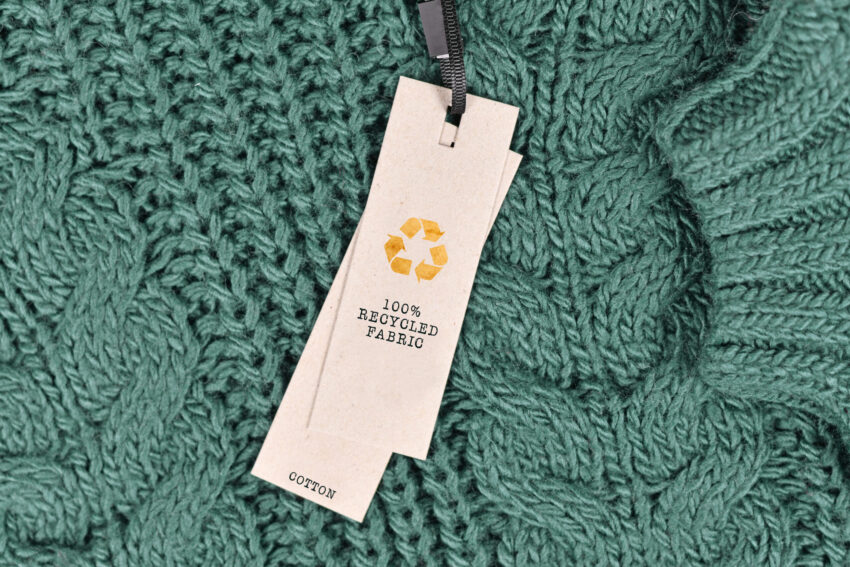
Sustainable fashion is more than just a trend; it’s a movement that calls for a fundamental shift in how we think about the clothes we wear. For me, this journey into sustainable fashion has been both personal and deeply connected to my South African Indian identity. Growing up in a country as diverse and vibrant as South Africa, where every thread of culture is woven into our everyday lives, I’ve come to realize that what we wear is not just a statement of style—it’s a reflection of our values, our history, and our future.
South Africa is a nation defined by its diversity. From the bustling urban streets of Johannesburg to the rich cultural tapestries of Durban, the fashion scene here is as varied as the people who live it. Our heritage is one of resilience and resourcefulness, traits born out of necessity and pride. I remember my grandmother repurposing old saris into beautiful cushions for my bedroom and how the women at the beachfront would showcase their skills in beadwork and basket making to tourists. These practices, though often born out of economic constraints, were also acts of creativity and sustainability.
In many ways, the ethos of sustainable fashion is not new to South Africa. The principles of reusing, repurposing, and respecting the materials we have at hand are woven into our cultural fabric. But as global fashion trends have shifted towards fast fashion—where the focus is on mass production and quick turnover—we’ve seen a departure from these sustainable practices, often at great cost to both our environment and our communities.
The fashion industry is one of the largest polluters in the world, with devastating effects on our environment. In South Africa, where natural resources are both precious and scarce, the environmental toll of fast fashion is particularly concerning. Our water sources are already under strain, and the chemicals used in textile production and dyeing only exacerbate this issue. The mountains of textile waste that end up in our landfills are another stark reminder of the unsustainable path we’re on.
For me, understanding the environmental impact of fashion was a turning point. I began to question the true cost of the clothes I was buying and how my choices were contributing to a global problem with very real local consequences. It became clear that if we are to protect the natural beauty of our country and preserve it for future generations, we must embrace more sustainable practices in every aspect of our lives—including fashion.
Beyond the environmental concerns, sustainable fashion also has a profound social impact, particularly in a country like South Africa. The fashion industry here is a significant source of employment, especially for women in rural areas where job opportunities are limited. However, the rise of fast fashion has led to the exploitation of workers, with low wages, poor working conditions, and a lack of job security.
Supporting sustainable fashion means advocating for fair trade practices and ensuring that the people who make our clothes are treated with dignity and respect. It means choosing to support local artisans and designers who are committed to ethical production methods. By doing so, we can help to create jobs, uplift communities, and preserve traditional crafts that are at risk of being lost in a world that prioritizes speed over skill.
My own journey towards sustainable fashion has been a gradual one, marked by small, intentional changes. I started by educating myself—learning about the materials used in my clothes, the conditions under which they were made, and the environmental and social costs associated with them. I began to prioritize quality over quantity, investing in pieces that I knew would last and could be worn in multiple ways.
One of the most fulfilling aspects of this journey has been discovering and supporting South African brands that are committed to sustainability. From designers who use locally sourced, eco-friendly fabrics to artisans who incorporate traditional techniques into contemporary designs, there is so much talent in our country that deserves to be celebrated.
Sustainable fashion matters because it challenges us to think differently about the clothes we wear. It asks us to consider the impact of our choices, not just on our own lives, but on the lives of others and the world around us. For me, as a South African, this movement is about more than just reducing waste or cutting down on consumption—it’s about honoring our heritage, supporting our communities, and preserving the natural beauty of our land.
By embracing sustainable fashion, we can make a difference—one garment at a time. We can choose to be part of a solution that values people and the planet over profit. And in doing so, we can create a future that is not only stylish but also sustainable.


Leave a Reply